
South Korea is a country that surprises you from the moment you arrive. Technology, a high quality of life, skyscrapers, traditional architecture, charming neighbourhoods and magnificent temples are just some of the things that make it stand out. But what impressed me just as much were the people. Koreans are among the kindest, most cheerful and considerate people I've ever met, with a genuine respect for those around them.
Below, you'll find all the essential information a traveler should know, along with a few useful tips from my own trip to the city.
Essential Information
Useful Travel Tips for South Korea
- Before travelling, check whether you need a K-ETA or an e-Arrival Card to enter the country, depending on your nationality. The e-Arrival Card can be completed online free of charge within three days before arrival, through the official website: https://www.e-arrivalcard.go.kr
- If you're travelling to South Korea from or via certain countries, you may be required to complete a health declaration (Q-CODE). The process is free and can be completed online up to 7 days before your arrival through the official website: https://qcode.kdca.go.kr
- South Korea has strict restrictions on certain substances found in medicines. Before travelling, check the regulations carefully, as some medications require special permission. You can find more information on the official website: https://www.mfds.go.kr/eng
- Download the Naver Maps app, as Google Maps has limitations when it comes to planning routes in South Korea.
- South Korea is a very safe country, and daily life is generally unaffected by tensions with North Korea.
- If you're from Europe and already use Uber, you'll probably find it easier to use than Kakao T.
- For public transport, I recommend getting a rechargeable T-money card from a convenience store or subway station. You can top it up with cash in Korean won and use it on subways and buses.
- Passengers on high-speed KTX trains are usually very quiet. Avoid having conversations, especially phone calls, inside the carriage.
- Make sure you carry your physical bank cards, as mobile and smartwatch payments aren't accepted everywhere.
- Many restaurants close for a break between approximately 15:00 and 17:00 and shut relatively early, around 21:00-22:00, even at weekends. As kitchens usually stop taking orders 30-60 minutes before closing, always check the last order time.
- Tipping isn't customary in South Korea, even in luxury hotels and restaurants.
- If you're planning to go shopping, take your passport with you, as participating Tax Free stores offer instant tax refunds on eligible purchases.
- Free Wi-Fi is available almost everywhere, including many public spaces.
- There are very few public bins on the streets, so you'll often need to carry your rubbish until you reach a subway station or your hotel.
- You'll find public toilets almost everywhere, including at every metro station.
- For a first trip to South Korea, I would recommend four destinations: Seoul, Busan, Gyeongju and Jeju Island. I visited the first three.
- I believe Seoul deserves at least eight days. We spent ten days there and still had plenty of places left to discover.
- I recommend spending at least five days in Busan, as the city is very spread out and travelling between attractions can take quite a bit of time.
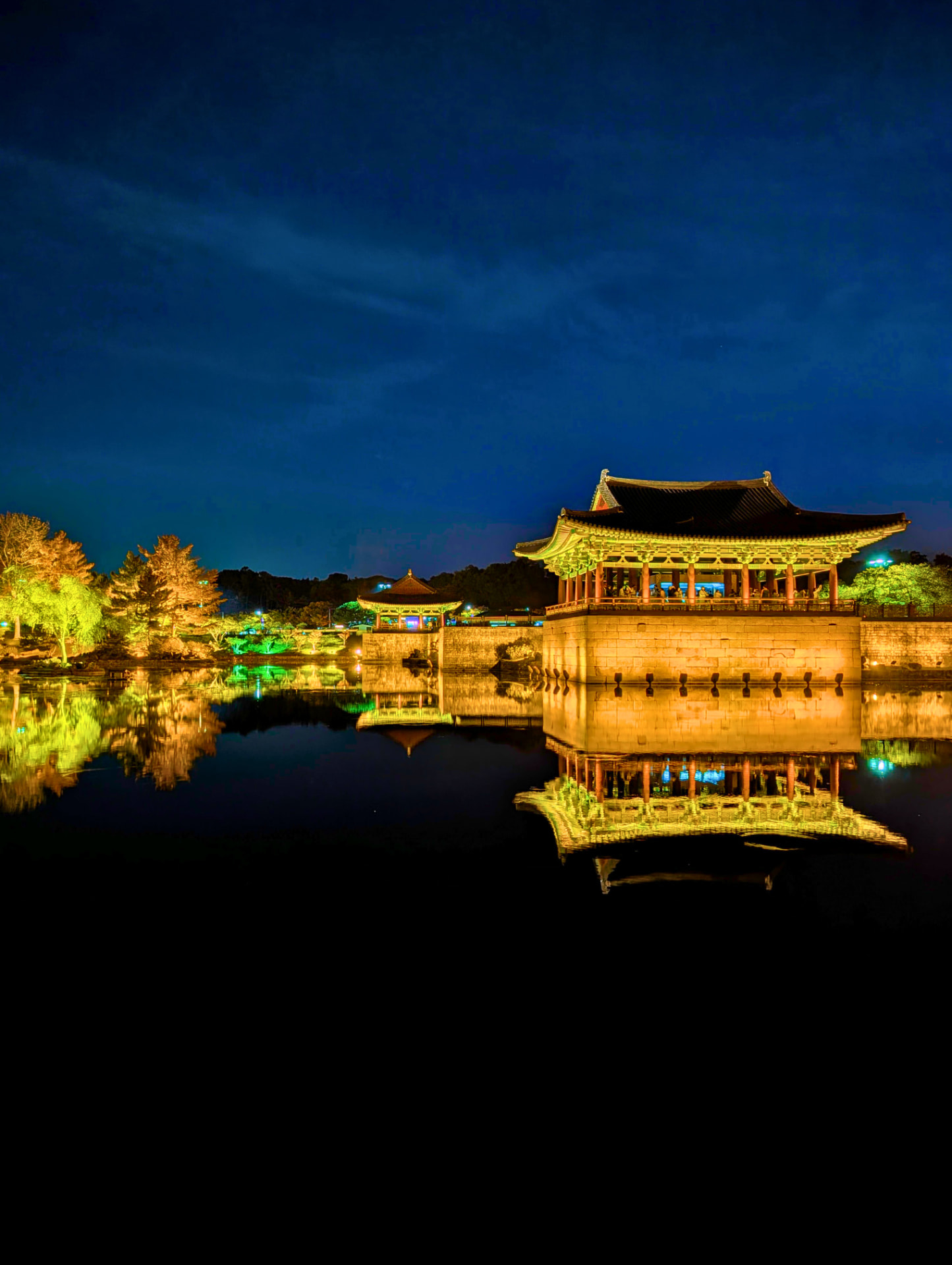
- Although Gyeongju is often recommended as a day trip from Busan, for me it was the most fairytale-like city I visited in South Korea. I think it deserves at least two to three nights. I stayed for two and felt I needed one more.
- One of the best times to visit South Korea is autumn, particularly October and November, when the trees turn beautiful shades of gold and red, and the weather is generally pleasant, with mild temperatures and little rainfall. Spring is equally beautiful, especially from late March to mid-April, when the cherry blossoms are in bloom.
Whatever time of year you choose, enjoy every moment in this unique country, where technology, modern life and tradition blend so beautifully with the stunning natural scenery.
Explore my other South Korea articles below to help you plan your trip and make the most of it
Best Things to Do in Seoul - My Travel Guide
Best Things to Do in Gyeongju - My Travel Guide
Best Things to Do in Busan - My Travel Guide
Where to Eat in Seoul - My Food Guide
The Ambassador Seoul - My Experience & Honest Review
SIGNIEL Busan - My Experience & Honest Review